The Tactical Setup: Oil and Water
Brazil coach Dorival Junior set his team up in a fluid 4-2-3-1 that morphed into a 2-3-5 in possession, with fullbacks Danilo and Guilherme Arana pushing high and defensive midfielders Bruno Guimaraes and Ederson dropping between the center-backs. The system is designed to overload the final third with five attackers, relying on the technical quality of Vinicius, Rodrygo, and Raphinha to unlock compact defenses.
Morocco's Walid Regragui, architect of the historic semifinal run at Qatar 2022, responded with a 4-1-4-1 that was in practice a 6-3-1 without the ball. Sofyan Amrabat, the tireless defensive midfielder who became a cult hero in Qatar, patrolled the space in front of his back four, while Hakimi and Noussair Mazraoui tucked in as auxiliary center-backs when Brazil had possession wide. The plan was clear: absorb pressure, deny space between the lines, and strike on the counter through Hakimi's overlapping runs and Youssef En-Nesyri's aerial threat.
"It is the oldest tactical battle in football," said former Arsenal manager Arsene Wenger, now FIFA's chief of global football development, in his post-match analysis for beIN Sports. "Creativity against organization, individual brilliance against collective discipline. Brazil has the artists, Morocco has the architects." Wenger compared the matchup to a chess game where one player is trying to play beautiful combinations while the other is methodically building a fortress.
First Half: Vinicius Breaks the Dam
For 38 minutes, Morocco's defensive plan worked to perfection. Brazil dominated possession, completing 312 passes to Morocco's 89, but created only one clear chance, a Rodrygo header that Bono saved comfortably. The Moroccan goalkeeper, who had been a hero in Qatar, commanded his area with the authority of a general directing troops, organizing his defense and claiming crosses under pressure.
The breakthrough came from a moment of individual genius that no tactical system can prevent. Vinicius received the ball on the left touchline, 40 yards from goal, and faced Hakimi one-on-one. What followed was a masterclass in dribbling: a step-over that sent Hakimi lunging the wrong way, a burst of acceleration that left the Paris Saint-Germain defender trailing, and a precise low finish across Bono into the far corner. It was Vinicius's 19th international goal and his first on football's biggest stage.
"Vinicius is unstoppable when he is in this mood," said Brazil legend Ronaldo Nazario, watching from the stands. "You can prepare for him, you can double-team him, you can foul him. But when he decides to take you on, there is nothing you can do." Ronaldo compared the young winger to a tornado that tears through a town regardless of how well the buildings are constructed.
Morocco's Response: Organization and Belief
Rather than collapsing, as many teams do after conceding to Brazil, Morocco grew in confidence. Regragui made no changes at halftime, trusting his system and his players. The approach nearly paid off in the 52nd minute, when Hakimi embarked on a lung-busting run from right-back, exchanged passes with En-Nesyri, and forced a spectacular save from Alisson Becker.
The equalizer came in the 67th minute, and it was a goal that encapsulated everything Morocco had become under Regragui. A Brazilian attack broke down on the edge of the Moroccan box, Amrabat won the ball with a perfectly timed tackle, and within four seconds Morocco had transitioned from defense to attack. Hakimi carried the ball 60 yards before feeding En-Nesyri, whose cross was met by substitute Azzedine Ounahi with a first-time finish that arrowed into the bottom corner.
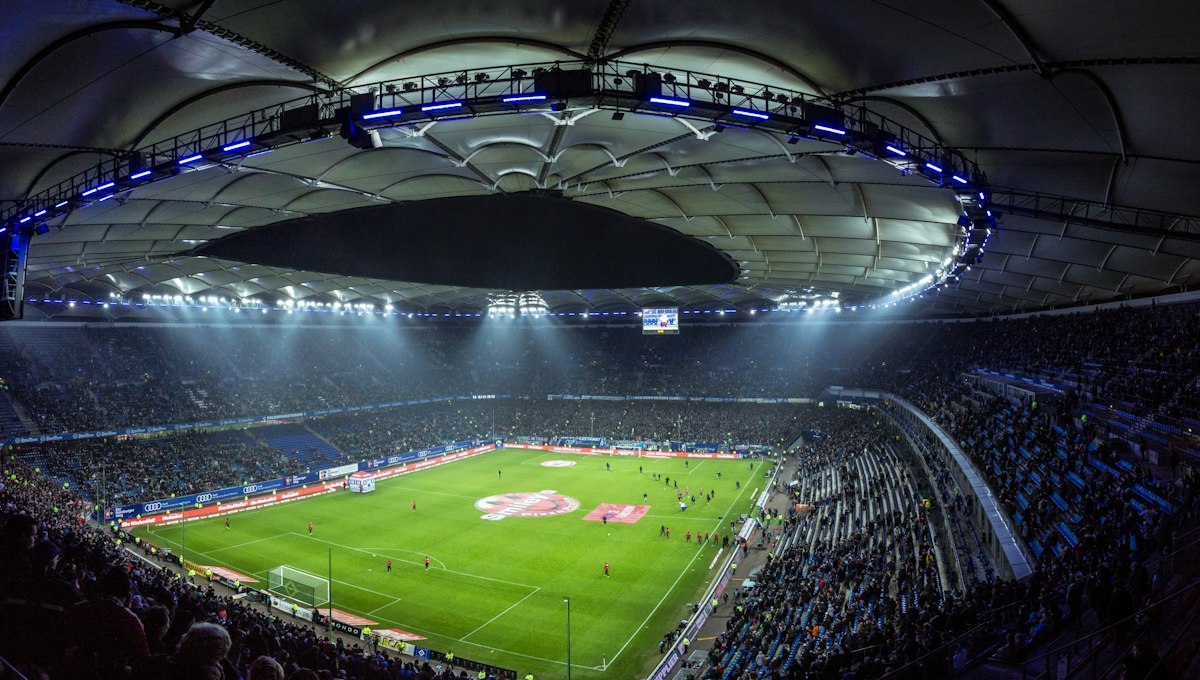
The MetLife Stadium, which had been a sea of yellow, fell momentarily silent before the Moroccan supporters, who had traveled in numbers from Casablanca, Rabat, and the Moroccan diaspora communities of New York and New Jersey, erupted in a celebration that shook the lower bowl. For 12 minutes, the match was level, and Morocco dared to dream of another historic upset.
Rodrygo's Winner and Brazil's Resilience
Brazil's response to conceding revealed a maturity that has sometimes been absent in previous tournaments. Rather than panicking or abandoning their structure, Dorival's players maintained their composure, increased their tempo, and found the winner through sustained pressure.
The decisive goal came in the 79th minute, born from a training-ground set-piece routine. Guimaraes played a short corner to Raphinha, who back-heeled to the overlapping Arana. The fullback's cross was met by Rodrygo, who had ghosted between two Moroccan defenders to head past Bono from six yards. It was a goal that rewarded Brazil's patience and punished Morocco's momentary lapse in concentration.
"We knew Morocco would be difficult," Dorival said afterward. "They are not a surprise anymore. They are a very good team with a clear identity. To beat them, we had to be patient and believe in our quality. I am proud of how the players responded after conceding."
Individual Battles: Hakimi vs Vinicius
The match's most compelling subplot was the duel between Hakimi and Vinicius, club teammates at Paris Saint-Germain who spent 90 minutes trying to destroy each other. Hakimi, arguably the best right-back in the world, knows Vinicius's tendencies better than any defender on the planet, yet he still could not prevent the Brazilian from scoring and creating three additional chances.
"Achraf is my brother at PSG, but today he was my enemy," Viniciic said with a smile in the mixed zone. "I told him before the match that I would score, and he told me he would stop me. He almost did." The mutual respect was evident; after the final whistle, the two players embraced and exchanged jerseys, a moment captured by photographers that will become one of the iconic images of the tournament.
For Morocco, Hakimi's performance encapsulated the team's spirit. He made seven tackles, four interceptions, and completed 92% of his passes while also leading his team in progressive carries. "Achraf is our captain, our leader, our heart," Regragui said. "He gives everything for this shirt. Today he showed why he is one of the best players in the world."
Implications for the Tournament
The result leaves Brazil top of Group D with three points, while Morocco must regroup before facing Croatia in their second match. For Brazil, the performance answered questions about their mental toughness; this is a team that collapsed against Croatia in the 2022 quarterfinals and has not won a World Cup since 2002. The ability to grind out a result against a disciplined opponent suggests a newfound resilience.
For Morocco, the defeat was cruel but not demoralizing. They proved they can compete with anyone, and their defensive organization will trouble every team in the tournament. Regragui's challenge is to ensure his players recover physically and mentally; the intensity of their defensive effort against Brazil will take a toll.
"We lost, but we did not fail," Regragui said. "We showed the world that Morocco is here to stay. The next match is our final. We will be ready." It is the kind of statement that has become his trademark: confident without being arrogant, ambitious without being unrealistic. Morocco may have lost this battle, but they remain a force in this World Cup.